Introduction to the Everest Base Camp Trek
The Everest Base Camp Trek (EBC Trek) is not just an expedition; it’s an extraordinary journey steeped in breathtaking natural beauty, rich cultural experiences, and the thrill of adventure that calls to hikers from all over the globe. For many, reaching the base camp of the world’s highest peak is a bucket-list achievement that combines physical challenge with emotional fulfillment. As trekkers navigate through the picturesque landscapes of the Khumbu region, they are greeted by stunning mountain vistas, vibrant Sherpa culture, and a chance to experience the heart of the Himalayas. In this comprehensive guide, we will delve deep into the preparations, experiences, and insights that come with trekking to Everest Base Camp, providing you with all the information needed for a successful and memorable journey.
Overview of the Trek
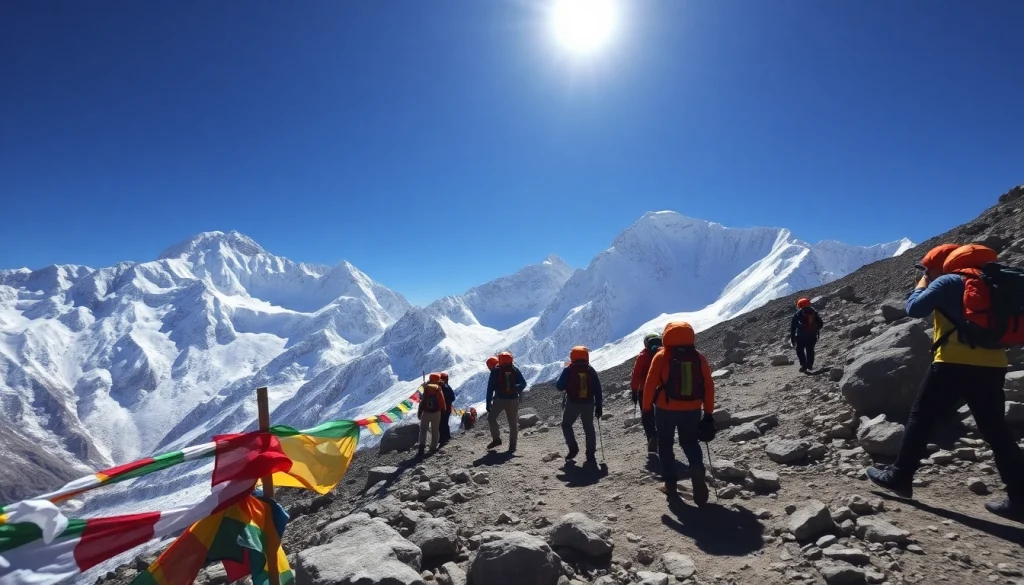
Spanning approximately 14 days, the EBC Trek typically begins in Kathmandu, where trekkers are introduced to the local culture and prepare for the adventure ahead. The trek ascends through lush forests, across roaring rivers, and into the Himalayan foothills, offering breathtaking views of not just Mount Everest but also other notable peaks like Lhotse, Nuptse, and Ama Dablam. Everest base camp sits at an altitude of 5,364 meters (17,598 feet), and reaching it is a culmination of acclimatization, perseverance, and the joy of exploration.
Historical Significance of Everest Base Camp
The journey to Everest Base Camp has profound historical significance, marked by the countless adventurers who have sought to reach the summit of Mount Everest. From Sir Edmund Hillary and Tenzing Norgay’s legendary ascent in 1953 to the ongoing expeditions that continue to push the limits of human endurance, the base camp remains a vital waypoint for climbers and trekkers alike. It symbolizes not only the pinnacle of physical achievement but also the spirit of exploration that resonates throughout the ages.
Why Choose Ace the Himalaya?
Ace the Himalaya is distinguished among trekking companies for its commitment to providing an unforgettable experience for every trekker. With knowledgeable guides, a focus on safety, and a dedication to sustainable tourism, Ace the Himalaya ensures that your needs are met from the moment you arrive in Kathmandu to the time you depart. Their well-organized itineraries, inclusive packages, and exceptional support cater to both seasoned trekkers and beginners, making your Everest adventure memorable.
Planning Your Trek
Best Times to Trek to Everest Base Camp
The timing of your trek can significantly influence your experience. The best seasons to trek to Everest Base Camp are typically the spring (March to early June) and autumn (late September to November). During these months, the weather is generally stable, offering clearer skies and warmer temperatures, making for spectacular views and an enjoyable trekking experience. Monsoon season (July to early September) is less favorable due to heavy rain and cloud cover, while winter (December to February) presents challenges with extreme temperatures and limited accessibility.
Permits Needed for the Trek
Before embarking on your trek, it’s crucial to secure the necessary permits. Trekkers need three essential permits for the Everest Base Camp trek: the Tenzing-Hillary Everest National Park Entry Permit, Sagarmatha National Park Entry Permit, and the TIMS (Trekkers’ Information Management System) card. Ace the Himalaya helps facilitate this process, ensuring that you have all required documentation ready for a hassle-free trekking experience.
Choosing the Right Trek Package
Selecting the correct trek package is vital for ensuring a smooth experience tailored to your preferences. Ace the Himalaya offers various packages, from standard trekking options that include teahouse stays and meals to luxury treks with upgraded amenities. Customized itineraries are also available, allowing you to adjust your trek based on personal fitness levels and interests, ensuring that your trip is uniquely yours.
Physical Preparation for the Trek
Fitness Levels Required for Everest Base Camp
While the Everest Base Camp trek is accessible to a broad range of trekkers, being in good physical shape is crucial. Trekkers should prepare to walk between 5 to 8 hours daily, covering varied terrain that includes steep ascents and descents. Engaging in cardiovascular activities, strength training, and hiking in preparation can greatly enhance your stamina and endurance, making the trek more enjoyable.
Training Regimens for Beginners
For beginners, a comprehensive training regimen should begin at least two months prior to the trek. This can involve a combination of cardio workouts like running or cycling, alongside strength training focused on core and leg muscles. Long-distance hikes with a weighted backpack will mimic the conditions encountered during the trek, helping you build necessary endurance.
Common Health Considerations
Health should always be a priority when trekking to high altitudes. Altitude sickness is a risk trekkers must be aware of, as it can affect anyone, regardless of fitness level. Symptoms may include headaches, nausea, and dizziness. To mitigate risks, trekkers should acclimatize properly, ascend gradually, and stay hydrated throughout the journey.
Experience on the Trek
Daily Itinerary Overview
The daily itinerary for the Everest Base Camp trek involves a mix of trekking, acclimatization, and exploration, each day building on the experience from the last. Highlights include engaging with local cultures in Namche Bazaar, experiencing the vibrant atmosphere of Tengboche Monastery, and immersing yourself in the stunning natural beauty on the hike to Gorak Shep and then to the base camp itself.
Accommodation and Amenities on the Trek
Accommodation during the trek primarily consists of teahouses that provide basic lodging and meals. While amenities can vary, many teahouses have improved their facilities significantly over the years, offering cozy rooms, hot meals, and even hot showers in some locations. Expect to share rooms with fellow trekkers, fostering camaraderie and shared experiences along the journey.
Meals and Dietary Options
Nourishment is vital during the trek, and meals typically consist of local dishes such as ‘dal bhat’ (rice and lentils), soups, and other vegetarian options. Trekkers can communicate any dietary restrictions or preferences with Ace the Himalaya ahead of time, ensuring that meal options cater to individual needs.
Post-Trek Insights and Recommendations
Celebrating Your Achievement
Reaching Everest Base Camp is an unforgettable accomplishment that deserves celebration. Upon completion of the trek, many choose to reflect on their journey and share stories with fellow trekkers, often over a celebratory dinner in Kathmandu, facilitated by Ace the Himalaya. This post-trek gathering is a perfect opportunity to reminisce and connect with others who have shared in the experience.
Exploring Additional Adventures in Nepal
After completing the EBC trek, many adventurers opt to explore additional destinations in Nepal. Activities such as visiting the cultural sites of Kathmandu, trekking the Annapurna Circuit, or even embarking on thrilling white-water rafting adventures provide ample opportunities to continue your Nepalese adventure.
Future Trends in Trekking and Tourism
As trekking continues to gain popularity, trends such as eco-tourism, personalized experiences, and the integration of technology will shape the future of trekking adventures. Companies, including Ace the Himalaya, are adapting to these trends, ensuring that they meet the evolving preferences of trekkers while prioritizing sustainability and cultural sensitivity.