

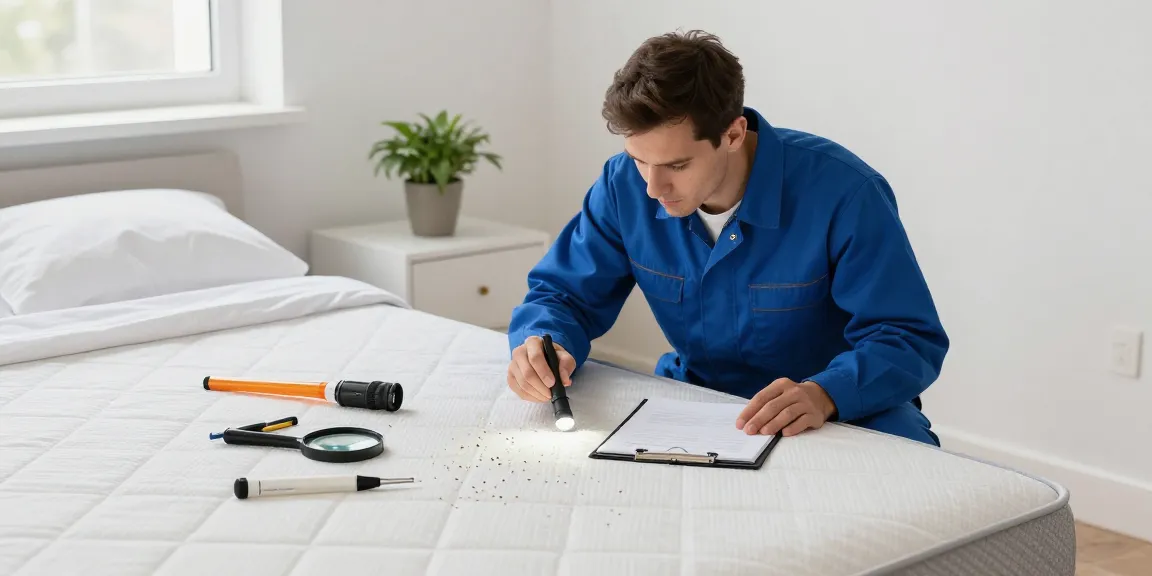
Understanding Bed Bugs and Their Behavior
Bed bugs are more than just a nuisance; they are resilient pests that can disrupt your sleep and peace of mind. Understanding their behavior, habitats, and the signs of an infestation is crucial for effective treatment. These tiny, blood-sucking insects thrive in environments close to humans, making homes and businesses prime targets. When exploring options for bed bug treatment, it’s essential to know what you’re dealing with to choose the right method.
What Are Bed Bugs?
Bed bugs, scientifically known as Cimex lectularius, are small, oval-shaped insects, typically measuring about 1/4 inch in length. They are reddish-brown and feature flattened bodies, which allow them to hide effortlessly in crevices. Unlike many pests, bed bugs are not known to transmit diseases, but their bites can lead to itchy welts and significant discomfort, triggering allergic reactions in some individuals.
Identifying Bed Bug Bites
Bed bug bites are often the first indication homeowners have of an infestation. The bites typically appear as small, itchy red welts on the skin, often clustered or in a line. Due to their nocturnal nature, bed bugs feed primarily during the night while their hosts sleep. Many individuals do not notice the bites until hours later, when symptoms develop.
Common Hiding Spots in Your Home
Bed bugs are proficient at concealing themselves, preferring dark, secluded areas close to their food source. Common hiding spots include:
- The seams of mattresses and box springs
- Behind headboards and bed frames
- Couches and chairs, particularly in upholstery
- Cracks in walls and floors
- Baseboards and electrical outlets
Regular inspections of these areas can help catch infestations early, which is crucial for successful treatment.
The Importance of Professional Bed Bug Treatment
While some homeowners may consider DIY solutions for bed bug issues, it is often in their best interest to engage professionals. Expert exterminators have the training and experience needed to identify the extent of an infestation accurately and apply the most effective treatment methods.
Why DIY Solutions Often Fail
DIY treatments rarely offer a comprehensive solution to a bed bug infestation. These pests are notoriously resilient and can survive in various environments. Most store-bought products focus on killing visible bugs and may not penetrate all hiding spots. Consequently, any missed bugs can quickly replenish the population, leading to a drawn-out battle against an ever-growing infestation.
Advantages of Hiring a Specialist
Hiring a professional bed bug exterminator provides numerous advantages:
- Expert Knowledge: Trained professionals understand bed bug biology and behavior, enabling them to tailor treatments effectively.
- Access to Advanced Tools: Professionals have access to industrial-grade pesticides and specialized equipment, such as heat treatment machines.
- Long-Term Solutions: Experienced exterminators can implement strategies to prevent future infestations, ensuring peace of mind.
Understanding Treatment Options Available
Professional pest control services offer a variety of treatment options designed to eliminate bed bugs effectively. Common methods include:
- Chemical Treatments: These involve applying pesticides that target bed bugs and their eggs.
- Heat Treatments: This method raises the room temperature to a level that is lethal to bed bugs, ensuring that they are eliminated at all life stages.
- Combination Treatments: Utilizing both chemical and heat treatments can maximize effectiveness and reduce the chances of re-infestation.
Exploring Effective Bed Bug Treatment Methods
Understanding the various options for bed bug treatment is vital for addressing an infestation effectively. Each method has its advantages and limitations, making it essential to choose the right approach based on individual circumstances.
Overview of Chemical Treatment Options
Chemical treatments are widely used in commercial pest control, often featuring residual formulations that continue to kill bed bugs after application. The right chemicals can provide a barrier against future infestations, although their application requires careful handling. Always consult a professional for the most suitable products for your situation.
Heat Treatment Explained
Heat treatment is one of the most effective ways to eliminate bed bugs. By raising the temperature in the affected area to above 120°F (49°C), all life stages of bed bugs, including eggs, can be killed. This method is eco-friendly since it doesn’t rely on harmful chemicals, making it suitable for homes with children and pets.
Combination Treatments for Maximum Effectiveness
Many pest control companies recommend a combination of methods for the best results. By pairing chemical applications with heat treatment, you can ensure that even the most resilient bed bugs are eliminated. This integrated approach also helps to reduce the likelihood of resistance developing in bed bug populations.
Cost Considerations of Bed Bug Treatments
Understanding the costs associated with bed bug treatment is crucial for homeowners and businesses alike. Treatments can vary widely, and knowing what to expect can help you budget accordingly.
Average Costs for Professional Services
The average cost for professional bed bug treatments can range from $500 to $1,500, depending on the severity of the infestation and the type of treatment chosen. Heat treatments tend to be on the higher end of the spectrum due to the resources and time involved.
Hidden Costs You Should Be Aware Of
Additional costs can arise from necessary preparation before treatment, such as laundry or furniture moving. Follow-up treatments or inspections may also incur more expenses, so it’s essential to discuss potential costs with your exterminator upfront.
Cost-Effective DIY Tips for Prevention
Preventing bed bugs can be more cost-effective than dealing with an infestation. Here are some DIY tips:
- Regularly wash and heat-dry bedding and clothing.
- Inspect second-hand furniture before bringing it home.
- Use bed bug-proof mattress encasements.
- Seal cracks and crevices in walls and floors.
Post-Treatment Steps for Lasting Results
Once treatment is complete, homeowners must take steps to ensure that bed bugs do not return. Successful pest control is a combination of effective treatment and diligent follow-up actions.
How to Prepare Your Home Before Treatment
Preparation is essential for maximizing the effectiveness of any bed bug treatment. This may involve:
- Decluttering rooms to give exterminators access to hiding spots.
- Washing and bagging clothing and linens.
- Removing all items from the areas being treated.
Follow-Up Actions After Treatment
It’s crucial to monitor your home closely after treatment. Regular inspections of sleeping areas and living spaces can help catch any returning bugs early. If you notice any signs of a reinfestation, contact your pest control provider immediately.
Ongoing Prevention Strategies Against Bed Bugs
To maintain a bed bug-free home, consider implementing these long-term prevention strategies:
- Continue regular cleaning and maintenance of your home.
- Keep an eye on travel habits, inspecting luggage when returning home.
- Educate household members about bed bug identification and prevention.
What Should I Do If I Suspect a Bed Bug Infestation?
If you suspect a bed bug issue, it’s crucial to act swiftly. Look for signs of infestation, such as bites or tiny blood spots on linens. Once confirmed, reach out to a professional bed bug exterminator for an assessment and treatment plan.
How Long Does Bed Bug Treatment Take?
The duration of bed bug treatment typically depends on the method used and the extent of the infestation. Heat treatments can take several hours, while chemical treatments might require multiple visits spread over weeks to ensure total elimination.
Are Bed Bug Treatments Safe for Children and Pets?
Most professional bed bug treatments are designed to be safe for both children and pets. However, it’s essential to discuss any concerns you may have with your pest control provider to select the best method for your family’s safety.
How Can I Prevent Bed Bugs from Coming Back?
Preventing future infestations involves vigilance and proactive measures, such as regular inspections, maintaining cleanliness, and using protective covers on mattresses and box springs.
What Are the Signs of Bed Bugs After Treatment?
After treatment, keep an eye out for any signs of bed bugs, such as bites, blood spots, or signs of shed skin. If you notice any of these indicators, contact your pest control service immediately for further action.