

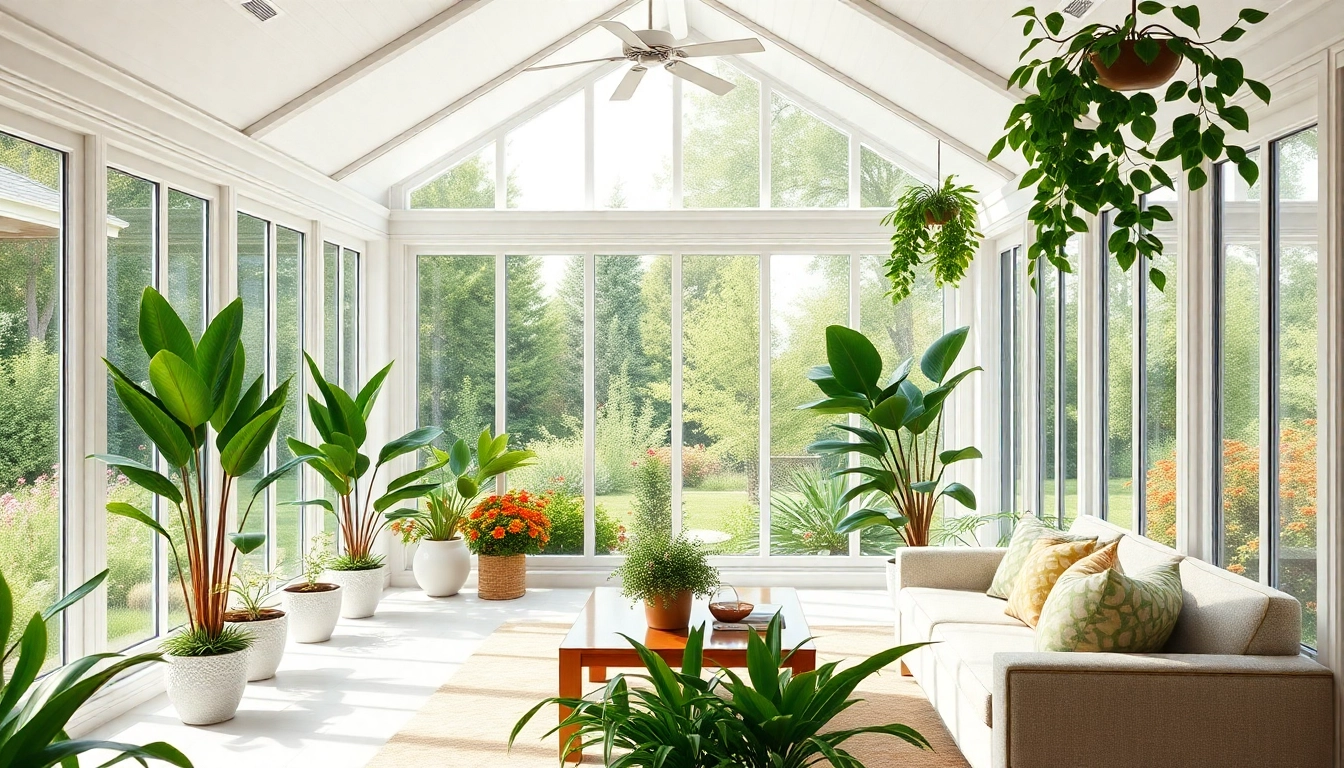
Understanding the Benefits of a Sunroom Addition
What Is a Sunroom Addition?
A sunroom addition is an extension of a home that is designed primarily for relaxation and enjoyment of the outdoors while being shielded from weather extremes. Typically featuring walls and ceilings made predominantly of glass, a sunroom brings natural light indoors, creating a bright and inviting space that can be utilized throughout the year. There are numerous styles of sunrooms, each tailored to fit different aesthetic preferences and functional requirements, providing an ideal environment for both leisure and social gatherings.
Key Advantages of Adding a Sunroom
One of the significant advantages of a sunroom addition is the enhancement of your home’s living space without the need for complex and often expensive renovations. By incorporating a sunroom, homeowners can enjoy an open, airy atmosphere that not only fosters relaxation but also improves mood and well-being through exposure to natural light. Further, sunrooms provide a seamless connection with the outdoors. They serve as a perfect spot for morning coffee, reading, or family gatherings, all while shielding you from pests and excessive weather conditions.
How a Sunroom Can Increase Property Value
Investing in a sunroom can boost your property’s market value significantly. Real estate analysts suggest that adding a sunroom can yield a return on investment (ROI) ranging from 60% to 80%. This alluring extension adds both functional and aesthetic value to a home, making it a highly desirable feature for potential buyers. In many cases, the additional livable space provided by a sunroom can make your property stand out in a competitive real estate market.
Types of Sunrooms to Consider
Four-Season vs. Three-Season Sunroom Addition
When considering a sunroom addition, one must choose between four-season and three-season options. Four-season sunrooms are designed for year-round use and often include insulation, heating, and air conditioning, making them a comfortable retreat regardless of weather conditions. In contrast, three-season sunrooms typically lack full insulation and are intended for use during the warmer months. Understanding the climate in your area is essential in determining which type will best serve your lifestyle and preferences.
Custom Designs for Unique Spaces
The design of your sunroom should reflect your personal style and fit seamlessly with your existing home. Custom sunrooms can be tailored in terms of size, shape, and materials, allowing homeowners to optimize both functionality and aesthetics. Options range from contemporary glass structures to traditional wood-framed sunrooms, accommodating different design tastes and enhancing the overall harmony of your home’s exterior.
Basic Sunroom Kits and DIY Options
For those who are handy or enjoy a DIY project, basic sunroom kits are an appealing option. These kits come with pre-cut materials and instructions for assembly, making them accessible for homeowners who wish to embark on a home improvement project on their own. Building a sunroom through a kit can be a cost-effective way to enhance your home, but it’s essential to consider the skill level required and potential challenges in the installation process.
Cost Factors for a Sunroom Addition
Estimating Your Total Costs
The cost of adding a sunroom can vary greatly based on size, materials, labor, and features. The average cost for a professionally installed sunroom ranges from $20,000 to upwards of $100,000. It’s crucial to factor potential add-ons such as heating, cooling, and electrical work if you plan on year-round use. Gathering quotes from multiple contractors can help you gauge the market rate and avoid unexpected expenses.
Budgeting for Materials and Installation
When budgeting for your sunroom, consider both materials and labor costs. The materials you choose will significantly impact the overall cost. Options such as energy-efficient glass, premium insulation, and decorative finishes can enhance the allure of your sunroom but may increase the budget. Installation costs can also vary widely depending on whether you hire professionals or undertake a DIY approach, so it’s important to have a clear financial plan in place.
Potential Return on Investment
Understanding the potential return on investment for a sunroom addition can make your financial commitment more appealing. Many home renovation experts suggest that homeowners can expect an ROI between 60-80%, depending on market conditions and the quality of the installation and materials used. A well-designed sunroom can become a focal point of your home and may lead to an increased resale value should you decide to sell.
Designing Your Perfect Sunroom Addition
Layout and Design Considerations
The layout of your sunroom should maximize both functionality and comfort. Ideally, it should have easy access to your main living areas and retain a flow that complements your existing décor. Consider aspects such as furniture placement, necessary pathways, and the natural light that comes in during different times of the day. A well-planned layout not only improves aesthetics but also enhances usability.
Choosing the Right Décor Elements
Choosing the right décor for your sunroom is essential to creating a cohesive and welcoming environment. Consider elements that introduce color, comfort, and functionality—such as comfortable seating, vibrant plants, and decorative lighting. Incorporating textiles that can withstand varying temperatures and moisture is crucial, especially for a space that invites the outdoors inside.
Integrating with Your Existing Home Style
Designing a sunroom that integrates well with the existing style of your home enhances your property’s overall appeal. Whether your home is modern, traditional, or rustic, the sunroom should reflect that aesthetic. Utilizing similar materials or design elements can create a seamless transition from your home to the sunroom, enhancing both visual coherence and structure integrity.
Sunroom Addition Maintenance and Care
Keeping Your Sunroom Clean and Functional
Regular maintenance is key to keeping your sunroom in top condition. Cleaning glass surfaces with appropriate cleaners will ensure a clear view and maintain the beauty of the glass. Additionally, keeping the interior tidy by decluttering and organizing will enhance the enjoyment of the space. Seasonal inspections of the windows and structural integrity should also be part of your routine maintenance to preemptively address any issues.
Seasonal Maintenance Tips
Seasonal maintenance for your sunroom should coincide with changes in weather. For example, preparing your sunroom for winter may include sealing any drafts and ensuring that heating systems are functioning correctly. During warmer months, check for wear on the windows and screens, and maintain an appropriate temperature and humidity level to enhance comfort and longevity of materials.
Common Issues and How to Address Them
Common issues that might arise in sunrooms include leaks, condensation, and discomfort due to temperature fluctuations. Regularly checking the seals on windows and doors can prevent drafts and leaks. If condensation builds up, consider improving ventilation or investing in a dehumidifier. Addressing these problems quickly is key to maintaining the integrity and comfort of your sunroom.
Frequently Asked Questions
How much does a sunroom addition typically cost?
The cost of a sunroom addition varies widely, typically ranging from $20,000 to $100,000, depending on size, materials, and installation options.
Do I need a permit for a sunroom addition?
Yes, most regions require a permit for sunroom additions. Always check local building codes and regulations to ensure compliance.
How long does it take to build a sunroom?
The construction of a sunroom can take anywhere from a few weeks to several months, depending on design complexity and local permitting processes.
Can a sunroom be used year-round?
A four-season sunroom can typically be used year-round, while a three-season sunroom is designed primarily for seasonal use.
What are the best materials for a sunroom?
The best materials for a sunroom include energy-efficient glass, durable framing (like vinyl or wood), and attractive indoor furnishings that can withstand varying temperatures.