Understanding Fly Screen for Patio Doors
What is a Fly Screen?
A fly screen is an essential tool for any homeowner looking to enjoy fresh air without letting in unwanted insects. Typically made from a fine mesh material, it serves as a barrier while allowing airflow and visibility. Fly screens can be installed on various openings, including windows and doors, specifically designed for patio doors to ensure easy access while maintaining a bug-free environment. You can find a variety of options, including retractable screens and fixed screens, to suit individual preferences and home designs. For those looking for tailored solutions, options like a fly screen for patio doors offer the perfect fit.
Benefits of Using Fly Screen for Patio Doors
Fly screens provide numerous benefits, making them an essential addition to any patio door. Firstly, they allow for natural ventilation while keeping pesky insects outside. Homeowners can keep doors open in warmer seasons, promoting airflow throughout living spaces without attracting flies, mosquitoes, or other insects.
Secondly, fly screens improve energy efficiency. By allowing fresh air in, you’re less reliant on air conditioning systems, which reduces energy costs. Additionally, many fly screens offer UV protection, shielding your interiors from harmful sun rays and helping to prevent fabric fading.
Lastly, they enhance your home’s aesthetic appeal. With various styles, colors, and designs, a well-chosen fly screen can complement your home’s décor while providing practicality. This combination of functionality and aesthetic enhancement ensures that fly screens are a worthwhile investment.
Types of Fly Screens Available
Understanding the various types of fly screens can help you make an informed choice for your patio doors. Here are the primary options:
- Fixed Fly Screens: These are traditional screens that are installed in the door frame and offer a permanent solution to keep bugs out. They are typically made of aluminum or fiberglass mesh and are available in various colors.
- Retractable Fly Screens: These screens roll up and down, providing the flexibility to enjoy an open space when desired. They are designed for easy use and can seamlessly blend into your home’s design.
- Magnetic Fly Screens: These screens feature magnetic closing mechanisms that allow for quick and easy access. They are particularly suitable for homes with pets or children, as they provide hands-free entry while effectively keeping insects outside.
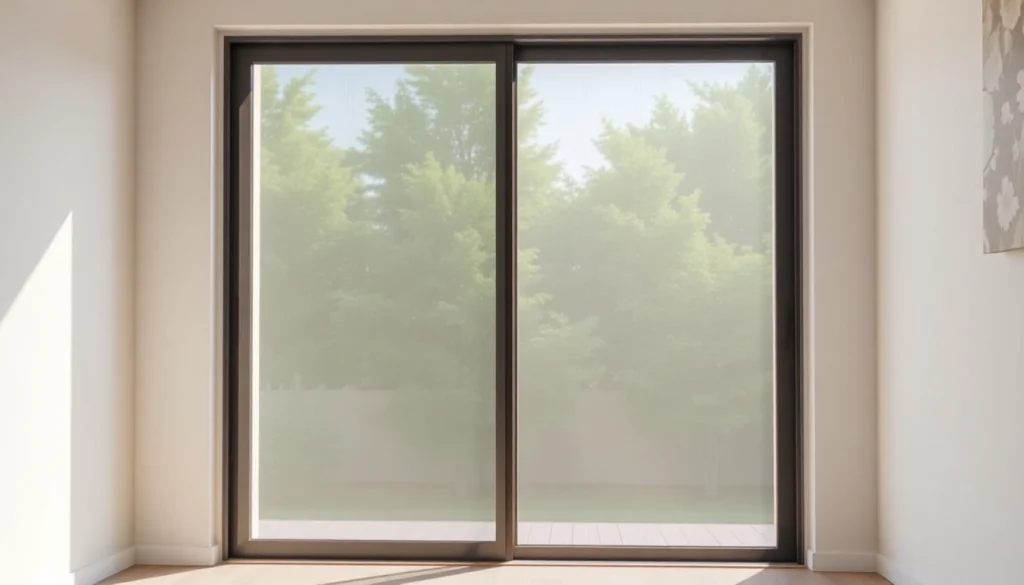
- Sliding Fly Screens: Specifically designed for sliding doors, these screens provide an easy-fit solution to bug protection while maintaining accessibility.
Choosing the Right Fly Screen for Your Patio
Factors to Consider When Selecting Fly Screen
Choosing the right fly screen for your patio doors involves several key considerations:
- Door Type: The screen you choose should be compatible with your door type, whether it’s a sliding door, French door, or traditional hinged door.
- Material Quality: Look for durable materials that can withstand UV exposure, moisture, and general wear and tear. Aluminum and high-quality fiberglass are popular options for longevity.
- Mesh Size: The mesh’s thread count is crucial for bug protection. Screens with 18-20 threads per inch are effective against flies while still allowing airflow.
- Ease of Use: Consider how frequently you’ll need to access the door. Some screens are easier to operate than others, so choose one that fits your lifestyle.
Measuring for a Perfect Fit
Accurate measurements are crucial to ensure that your chosen fly screen fits perfectly. Follow these steps for measuring:
- Measure the Width: Use a tape measure to find the width of the door opening. Measure in three places: top, middle, and bottom. Use the smallest measurement to determine your screen size.
- Measure the Height: Similarly, measure the height from the top of the door frame to the bottom. Again, measure at multiple points to ensure accuracy.
- Consider Frame Thickness: If your door has a frame, ensure your measurements account for the frame thickness. This is especially important for sliding doors.
Customization Options for Fly Screens
Customization enhances the functionality and look of fly screens, allowing homeowners to match their unique tastes and needs. Many manufacturers offer tailored options such as:
- Color Choices: Select from a variety of colors to match your existing door and home décor.
- Mesh Materials: Different materials provide various levels of visibility, UV protection, and durability. Choose the one that best fits your environment.
- Frame Styles: Depending on your door’s style, you may have options for the frame design to ensure it fits seamlessly with your home aesthetic.
Installation Guide for Fly Screen for Patio Doors
DIY Installation Steps
Installing a fly screen on your patio door can be a straightforward DIY project. Follow these steps for a successful installation:
- Gather Materials: Ensure you have all necessary materials including the fly screen, mounting hardware, drill, screws, and a level.
- Prepare the Door Frame: Clean the area where the screen will be installed to ensure proper adhesion or fit.
- Position the Screen: Place the screen in the door frame and use a level to ensure it’s straight.
- Secure the Screen: Use screws to attach the frame to the door frame. Ensure all corners are securely fastened.
- Test the Fit: Open and close the door to make sure the screen functions as intended. Adjust if necessary.
Common Installation Mistakes to Avoid
While installing a fly screen can be simple, several common mistakes can lead to functional issues:
- Incorrect Measurements: Always double-check your measurements to ensure the screen is the right size.
- Poor Surface Prep: Failing to clean the installation area can lead to poor adhesion, especially for adhesive-based screens.
- Skipping Leveling: Always use a level to ensure your screen is straight. A screen installed at an angle can create gaps.
Maintenance Tips for Longevity
Regular maintenance will ensure your fly screen remains in good working condition for years. Here are some simple tips:
- Clean Regularly: Use a damp cloth or soft brush to remove dust and debris. Avoid harsh chemicals that may degrade the material.
- Check for Damage: Inspect your screen periodically for tears or wear. Repair or replace as necessary to maintain effectiveness.
- Store Properly: If your screen is removable, store it in a cool, dry place during the winter months to prolong its lifespan.
Comparing Fly Screens with Other Options
Fly Screens vs. Traditional Screens
When evaluating your patio screen options, it’s essential to compare fly screens with traditional fixed screens. Traditional screens are permanent fixtures, which may lack the aesthetic flexibility that retractable and magnetic screens offer. Additionally, fly screens give homeowners the choice of easy access and the option to close them tightly, reducing the risk of unwanted insects.
Benefits of Retractable Screens
Retractable screens provide unique benefits, including ease of use and cleaner aesthetics. These screens can easily blend into door frames when not in use, and they usually feature advanced materials designed to withstand the elements while maintaining functionality. Their ability to roll up with minimal impact makes them ideal for high-traffic areas.
Cost Analysis of Fly Screen Solutions
Understanding the cost of different fly screen solutions is vital for budgetary planning. Prices can vary widely based on material, size, and customization options. Typically, basic fixed screens may cost less initially but may not provide the same longevity or ease of use as retractable models. Weight these factors carefully when making your choice, ensuring you invest in a solution that aligns with your long-term needs.
FAQs About Fly Screen for Patio Doors
How Do You Keep Flies Out When the Door is Open?
To keep flies out while the door is open, consider using a fine-mesh screen door or a magnetic screen. These options block flies effectively and allow for airflow.
Can Fly Screens Be Used on Sliding Doors?
Yes, fly screens can be specifically designed and installed on sliding doors. Options include sliding fly screens that maintain access without compromising air flow.
What Are the Pros and Cons of Fly Screens?
Pros include bug protection, improved airflow, and enhanced aesthetics. Cons can include initial installation costs and the need for regular maintenance.
What is the Average Cost for Fly Screen Installation?
The cost for fly screen installation varies based on material and size, typically ranging from a moderate price point for fixed screens to higher prices for custom solutions.
How to Clean and Maintain Fly Screens?
Clean fly screens by using a soft brush or damp cloth. Inspect regularly for wear and promptly address any damage to ensure longevity and effectiveness.