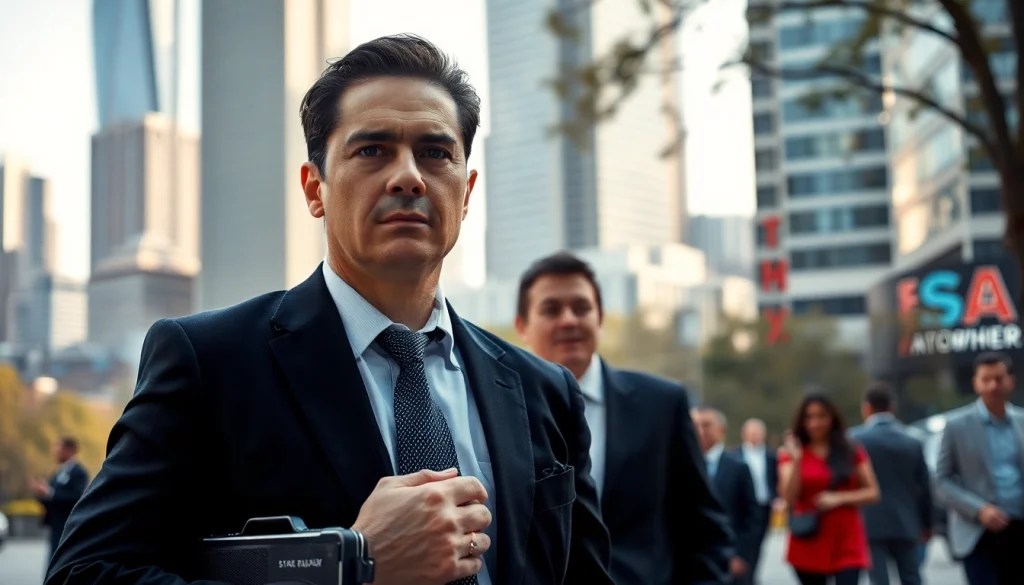
Understanding the Role of a Personal Bodyguard
Definition and Responsibilities
A personal bodyguard is a trained individual hired to ensure the safety and security of another person, typically someone who may face threats due to their profession, social status, or public exposure. The responsibilities of a bodyguard extend beyond mere physical protection; they include risk assessment, strategic planning for security, and emergency response. Bodyguards are expected to maintain a high level of vigilance, identify and mitigate potential threats, and act decisively in critical situations.
Types of Services Offered
The services of a personal bodyguard can be tailored to meet various needs. They may include residential security, personal escort during travel, executive protection, event security, and even training for personal safety. Each type of service requires specific skill sets and qualifications, ensuring that the bodyguard can effectively handle different scenarios and environments. For instance, bodyguards working in high-risk areas may need advanced combat training or knowledge of evasive driving techniques.
Importance of Professionalism
Professionalism in the bodyguard profession is paramount. A competent bodyguard not only possesses physical skills but also demonstrates discretion, respect for privacy, and the ability to communicate effectively. They must be adaptable, capable of managing stressful situations while maintaining composure. Engaging a professional bodyguard who understands the ethical implications of the role can make a significant difference in the level of security provided.
Assessing Security Needs Before Hiring
Analyzing Personal Risks
Before engaging in hiring personal bodyguard services, it’s essential to analyze the specific risks associated with the individual’s lifestyle or occupation. This assessment may include identifying potential threats from stalkers, hostile individuals, or even risks posed by public visibility. Comprehensive risk analysis can guide you in determining the level of security required and the type of bodyguard that would be the best fit.
Identifying Specific Demands
Each individual has unique needs when it comes to security. Identifying specific demands involves understanding personal preferences for security style and formality. Some may prefer a discreet bodyguard who blends into the surroundings, while others might opt for a more visible presence. It’s crucial to discuss these preferences with potential bodyguards to ensure they align with your expectations and requirements.
Establishing a Budget
Establishing a budget is another critical factor before hiring a personal bodyguard. Costs can vary greatly depending on a range of factors, including the bodyguard’s experience, the complexity of your security needs, and the duration of service. It’s important to balance cost with the level of expertise required to ensure effective protection. A thorough budget can help you make informed decisions without compromising safety.
How to Evaluate Bodyguard Candidates
Qualifications and Certifications
When evaluating candidates, it’s vital to assess their qualifications and relevant certifications, which demonstrate formal training and proficiency in security protocols. Many bodyguards have backgrounds in law enforcement or military service, providing them with practical skills. Look for certifications in emergency response, firearms training, and personal defense, as these indicate a professional approach to security.
Experience and Background Checks
Experience plays a crucial role in a bodyguard’s effectiveness. Consider candidates with a proven track record in similar roles and environments as yours. Additionally, conducting thorough background checks can disclose necessary information regarding a candidate’s past, including any red flags that might suggest unprofessional behavior or an inadequate response in emergencies.
Interviewing Techniques
Interviewing potential candidates requires a strategic approach to ensure you gain insight into their capabilities. Frame your questions to assess both technical skills and interpersonal qualities. Ask scenario-based questions that reveal how they would react in various situations, as this can provide a deeper understanding of their judgment and problem-solving skills.
Making the Hiring Process Smooth
Drafting a Clear Agreement
Creating a clear agreement prior to commencing services is essential for setting expectations. An agreement should outline the scope of work, compensation, duration, confidentiality clauses, and any specific terms or conditions relevant to the role. This document serves not only as a legal contract but also as a guide for both parties regarding responsibilities and expectations.
Setting Communication Protocols
Effective communication protocols should be established to ensure smooth operations between the client and the bodyguard. Regular check-ins, updates on potential threats, and open lines for discussing evolving security needs are important for maintaining trust and responsiveness. Consistent communication also allows for timely adjustments to the security plan as circumstances change.
Conducting Trial Periods
Considering a trial period before finalizing the arrangement can provide insight into how well the bodyguard fits the client’s needs and preferences. A trial allows clients to assess how the bodyguard operates in real-world scenarios, providing an opportunity to evaluate their effectiveness and compatibility before making a long-term commitment.
Frequently Asked Questions about Hiring Personal Bodyguard
What factors influence bodyguard costs?
Costs can vary based on experience, training, duration of service, and geographical location. Security level required and additional services (e.g., specialized training) also affect pricing.
How long should I expect to hire personal bodyguard services?
The duration of service can range from a few hours for events to longer contracts for ongoing protection, depending on personal security needs and existing threats.
Can I request specific skills or experience?
Yes, you can specify desired skills or experience. It’s essential to discuss your needs with potential candidates to align expectations and ensure the best fit.
What are typical qualifications for a bodyguard?
Typical qualifications include security training, certifications in self-defense, first aid, and sometimes prior experience in law enforcement or military roles, enhancing their readiness for varied situations.
How do I ensure the safety of my bodyguard?
To ensure the safety of your bodyguard, maintain transparent communication about potential threats and respect their professional guidance regarding security measures and protocols necessary for a safe environment.