
Understanding Die Casting: The Backbone of Manufacturing
Die casting is a critical manufacturing process that plays a significant role in producing high-quality metal components used across various industries. This method allows for the efficient mass production of intricate parts with exceptional precision and durability. In Malaysia, several die casting companies are leading the charge in delivering world-class products, leveraging advanced technologies and expertise to meet the growing demands of industries such as automotive, electronics, and industrial machinery. For those seeking reliable solutions, a die casting company malaysia can provide the necessary support for projects big and small.
What is Die Casting?
Die casting is a manufacturing process in which molten metal is injected into a mold under high pressure. The molds, typically made from steel or iron, are designed to withstand the intense pressure and temperature of the molten metal. This process is particularly favored for producing parts with complex geometries and fine details, which would be challenging to achieve through other manufacturing methods.
How Die Casting Works in Malaysia
In Malaysia, die casting is implemented using both gravity and pressure methods, with pressure die casting being the most common due to its efficiency and speed. The process begins with the melting of metal, often aluminum or zinc, which is then injected into a pre-heated mold. Once the metal cools and solidifies, the mold is opened, and the finished part is ejected. This method not only speeds up production but also ensures consistency and accuracy in the final product, meeting the rigorous standards expected in various sectors.
Benefits of Choosing a Die Casting Company Malaysia
Opting for a local die casting company like those in Malaysia offers numerous advantages:
- Cost-Effectiveness: Proximity to manufacturers reduces shipping costs and lead times.
- Expertise in Local Standards: Local companies are familiar with industry regulations and quality expectations.
- Customization: Many Malaysian die casting firms offer tailored solutions to meet specific client needs.
- Technological Advancements: Malaysian die casting companies are increasingly adopting innovative technologies such as automation and precision machining.
Key Industries Utilizing Die Casting
Die Casting in Automotive Manufacturing
The automotive industry is one of the largest consumers of die cast components. From engine blocks to transmission housings, die casting provides lightweight, strong, and durable parts that enhance vehicle performance and fuel efficiency. Malaysia has a thriving automotive sector, and die casting companies play a pivotal role in supplying high-quality components that meet stringent safety and performance standards.
Electronics and Electrical Applications
In the electronics and electrical sector, die casting is employed to manufacture intricate parts such as housings for devices, connectors, and heat sinks. The precision offered by die casting is crucial for ensuring the reliability and functionality of electronic components. Malaysia’s robust electronics manufacturing ecosystem relies heavily on die cast parts for a variety of applications, ranging from consumer electronics to industrial equipment.
Die Casting for Industrial Equipment
Industrial equipment often demands robust and reliable components capable of withstanding harsh operating conditions. Die casting provides a solution by producing components that are not only strong but also lightweight, which is essential for machinery that requires high performance over extended periods. This has become increasingly important as industries strive for efficiency and durability in their operations.
Quality Assurance in Die Casting Processes
Standards and Certifications for Malaysian Companies
Quality assurance is paramount in the die casting industry. Malaysian die casting companies adhere to international standards such as ISO 9001 for quality management systems, ensuring that products meet client specifications and industry requirements. Many companies also seek additional certifications relevant to specific industries, such as the automotive sector’s IATF 16949, to enhance their marketability and trustworthiness.
Quality Control Techniques in Die Casting
To maintain high quality, die casting firms employ various quality control techniques throughout the manufacturing process:
- Process Monitoring: Continuous monitoring of the die casting process helps identify and rectify issues before they escalate.
- Dimensional Inspection: Using advanced measurement tools, companies ensure that components meet precise specifications.
- Material Testing: Rigorous testing of the raw materials helps prevent defects in the final product.
Common Challenges and Solutions
Despite its advantages, die casting can present certain challenges, such as porosity, dimensional inaccuracies, and surface defects. To mitigate these issues, manufacturers employ several strategies:
- Enhanced Mold Design: Investing in better mold designs can reduce common defects.
- Process Optimization: Fine-tuning the die casting parameters (temperature, pressure, and cooling rates) can lead to improved outcomes.
- Regular Maintenance: Keeping equipment in optimal condition helps maintain product quality and consistency.
Innovative Technologies in Die Casting
Advancements in Aluminum Die Casting
Aluminum die casting has seen significant technological advancements, particularly in alloy development and process automation. New aluminum alloys with improved properties enable stronger, lighter components, while automation in production processes enhances efficiency and reduces labor costs. Malaysian manufacturers are increasingly adopting these innovations to remain competitive in the global market.
Impact of Automation and Robotics
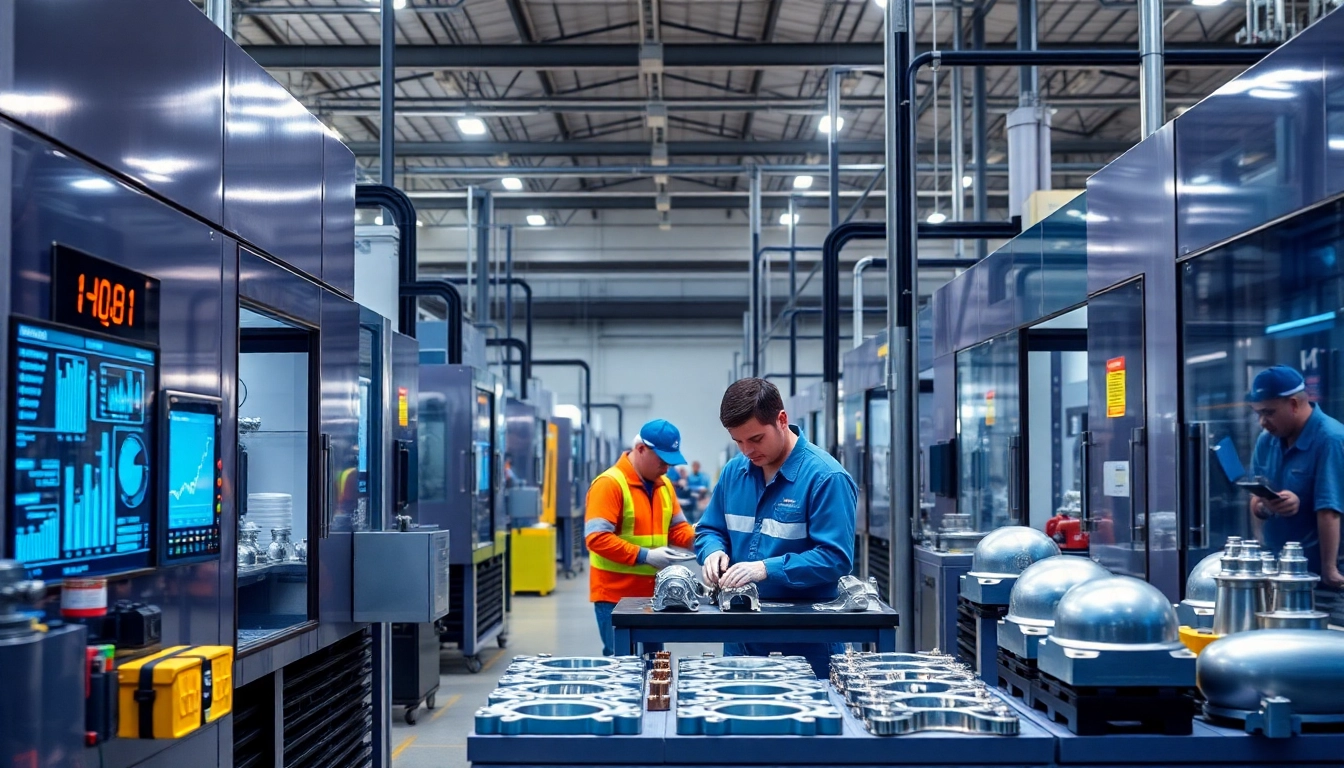
The integration of automation and robotics into die casting processes has revolutionized production in Malaysia. Automated systems enable faster cycle times, reduce human error, and allow for greater flexibility in manufacturing. This shift not only increases productivity but also enhances safety by minimizing the risk of workplace injuries associated with manual handling.
Environmental Considerations in Die Casting
As global concerns about sustainability grow, Malaysian die casting companies are adopting more environmentally friendly practices. This includes using recycled materials, implementing energy-efficient technologies, and minimizing waste. Efforts to reduce emissions and improve waste management are essential steps towards sustainable manufacturing, aligning with global sustainability goals.
Future Trends in Die Casting for 2025 and Beyond
Market Predictions for Die Casting Companies
As we approach 2025, the die casting industry is expected to grow significantly, driven by increasing demand in sectors such as automotive, aerospace, and electronics. Analysts predict that advancements in materials and production technologies will continue to enhance the capabilities of die casting companies in Malaysia, positioning them favorably in the global market.
Emerging Technologies and Techniques
Innovations in 3D printing and additive manufacturing are poised to impact die casting. These technologies can reduce lead times for prototype development and allow for more complex geometries that traditional die casting may struggle to achieve. Malaysian companies that embrace these emerging techniques will be better positioned to meet evolving client demands.
How to Choose the Right Die Casting Partner
Selecting the right die casting partner is crucial for ensuring quality and efficiency. When evaluating potential partners, consider the following:
- Industry Experience: Look for companies with a proven track record in your specific industry.
- Technological Capabilities: Ensure the company utilizes advanced technologies to enhance production quality.
- Quality Certifications: Verify that the company upholds relevant quality standards and certifications.
- Client Testimonials: Reviewing case studies and client feedback can provide insights into a company’s reliability and service quality.